About me
I’m Will Yang. I study people and build tools.
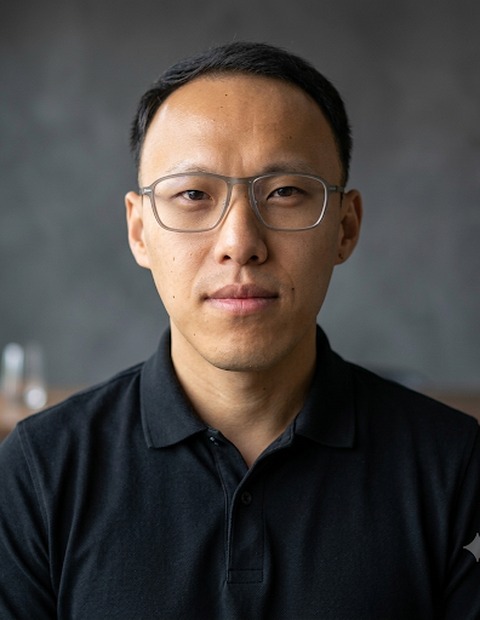
I studied psychology, taught for four years, and have worked in behavioral research and solutions since 2015. I now lead Consulting and Business Development at Noldus China. I look at what people actually do, question my own explanations, and build tools to improve work that repeatedly gets stuck.
A profile for collaborators
I lead Consulting and Business Development at Noldus China, contributing to method design, key project delivery, and team capability. My research spans finance, packaging, automotive, medical devices, and service robots. My personal tool experiments focus on AI workflows, knowledge retrieval, and behavioral data.
Enterprise consulting is conducted through Noldus. Each case distinguishes my role, collective outcomes, and what can be shared publicly.
Background
Experiences that changed the questions I ask.
A clear lesson did not always transfer
After studying psychology at East China Normal University, I taught psychology and mathematics for four years. Students could follow a lesson yet struggle in another situation. I started paying closer attention to what they actually did and where they got stuck.
From hearing explanations to watching actions
I joined Noldus in 2015 and worked on finance, packaging, and automotive studies. One finance-app project involved 60 tests and interviews in 24 days. I learned to keep the observed action, my interpretation, and a proposed change separate.
Trying an interaction before building the feature
In service-robot research in 2019, I separated an encounter into attraction, starting, completing a task, and ending. I also used a researcher behind the scenes to simulate unfinished features and test understanding before engineering investment.
Making the next project easier to start
As I took responsibility for consulting, I turned research designs, recording methods, and reviews into materials the team could use. I now also use existing agent runtimes, code, and knowledge bases for my daily work, improving steps that repeatedly get in the way.
Working with me
Habits you would notice.
I ask what you have already tried
I need to understand why the current approach has not worked and what limits your time, budget, data, and people. Those constraints change the plan.
I make disagreement specific
If I question the brief, I put my observations and reasons on the table. We can discuss what evidence is missing and how to get it.
I make something we can try early
It may be a task list, a simulated interaction, or a small tool. Something we can inspect helps expose where an idea does not hold up.
I keep uncertainty visible
I distinguish observed results, my interpretation, and assumptions awaiting a test. A working prototype still needs to prove useful and reliable in practice.
Selected talks
Questions I have discussed in public.
If you are organizing a conversation
Three starting points: bringing research into design decisions, turning observations into traceable judgments, and testing whether agents reduce human workload. These suit product and design teams, research peers, and teams exploring AI at work, respectively.
Include the audience, the question you want to explore, and the event date. We can agree on scope and format from there. Download the bio and portrait above; past public talks and original material follow.
 View Chinese PDF · Page 20 ↗
Place research within development.
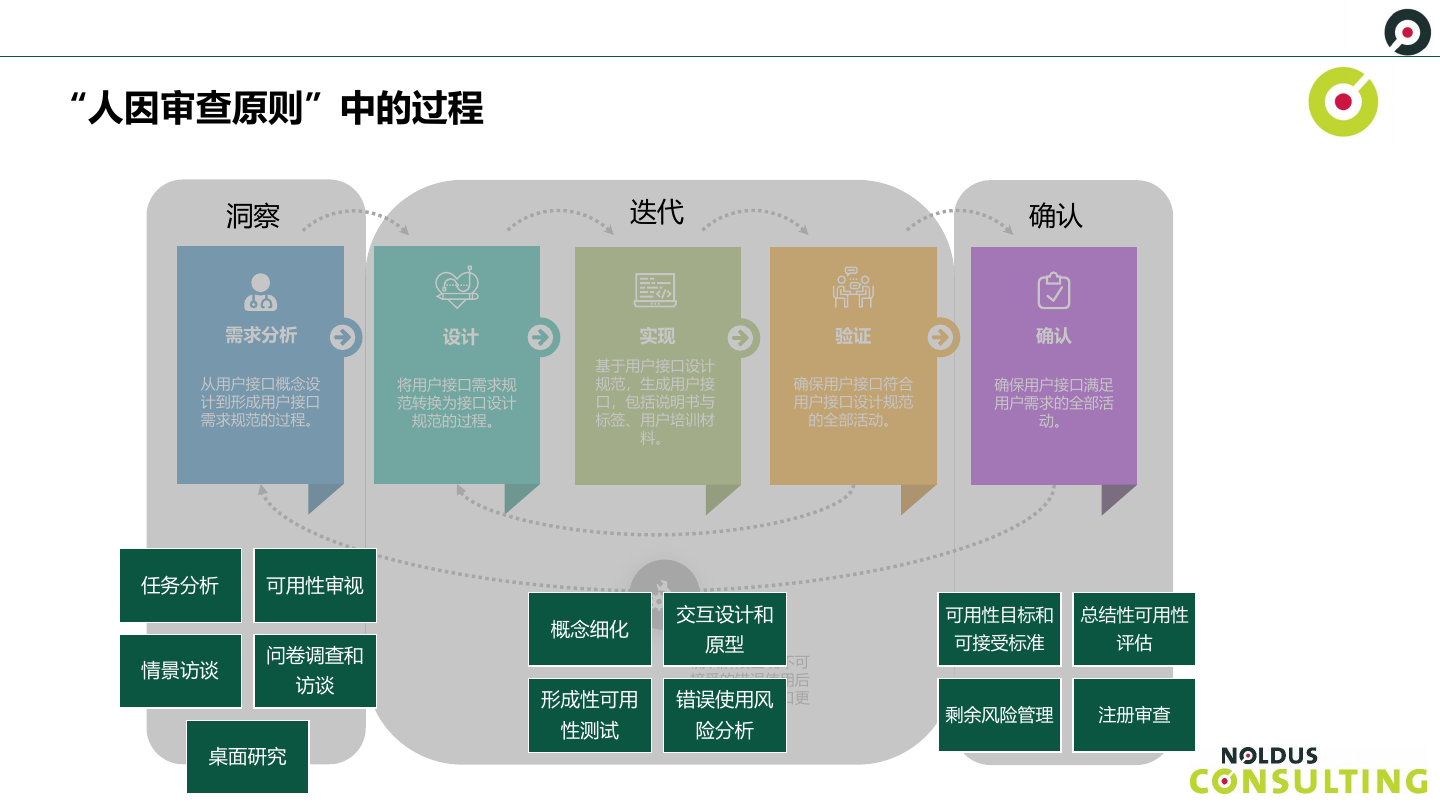
This original slide connects insight, iteration, and confirmation. It explains my interest in when a check happens: observations need a chance to shape the design that follows.
Safety considerations in medical-device human factors · Will Yang · Historical presentation · Original in ChineseMedical-device usability engineering: finding unpredictable use errors earlier
Medical Device Regulatory Science & Regulation Forum
Safety in medical-device human factors engineering
China User Experience Summit
View slides (Chinese PDF)Finding insight in small user data
7th China User Experience Summit
Multimodality in app testing: why user testing matters
6th China User Experience Summit
Driving behavior and ADAS: emotion, eye control, and applications
2nd China Smart Vehicle Innovation Forum
Behavioral measurement in human–machine–environment systems
17th International Human–Machine–Environment Systems Conference
How I make choices
What changes my choice.
- 01
Look at the situation first.
A pause can mean confusion or careful consideration of consequences. I check the context before proposing a change.
- 02
Choose an approach people can use.
Sometimes that means an instruction on packaging, sometimes an earlier study, and sometimes writing a program.
- 03
Make the handover usable.
Alongside results, leave the reasoning, instructions, and questions that still need checking.
Education & credentials
East China Normal University · BSc Psychology (2007—2011) Certified Psychological Counselor (Level 2, China national certification) · UX Research instructor · Interaction Design instructor